
Blog
/
inventory-management-ecommerce-optimization-complete-guide-2026
Inventory Management eCommerce Optimization: Complete Guide 2026
Jesse Stock
on
Inventory Management eCommerce Optimization: Complete Guide 2026
📖 Estimated reading time: 12 minutes
Key Points
Effective inventory management is the backbone of profitable ecommerce operations and directly impacts cash flow, customer satisfaction, and growth potential
Key benefits include reduced carrying costs, fewer stockouts, improved cash flow, and higher customer retention rates
Optimizing inventory requires implementing the right systems, forecasting methods, and performance metrics to balance supply and demand
Modern inventory management leverages automation, real time tracking, and data analytics to prevent overstocking and understocking while maximizing profitability
What's Inside
What Is Inventory Management in eCommerce Optimization
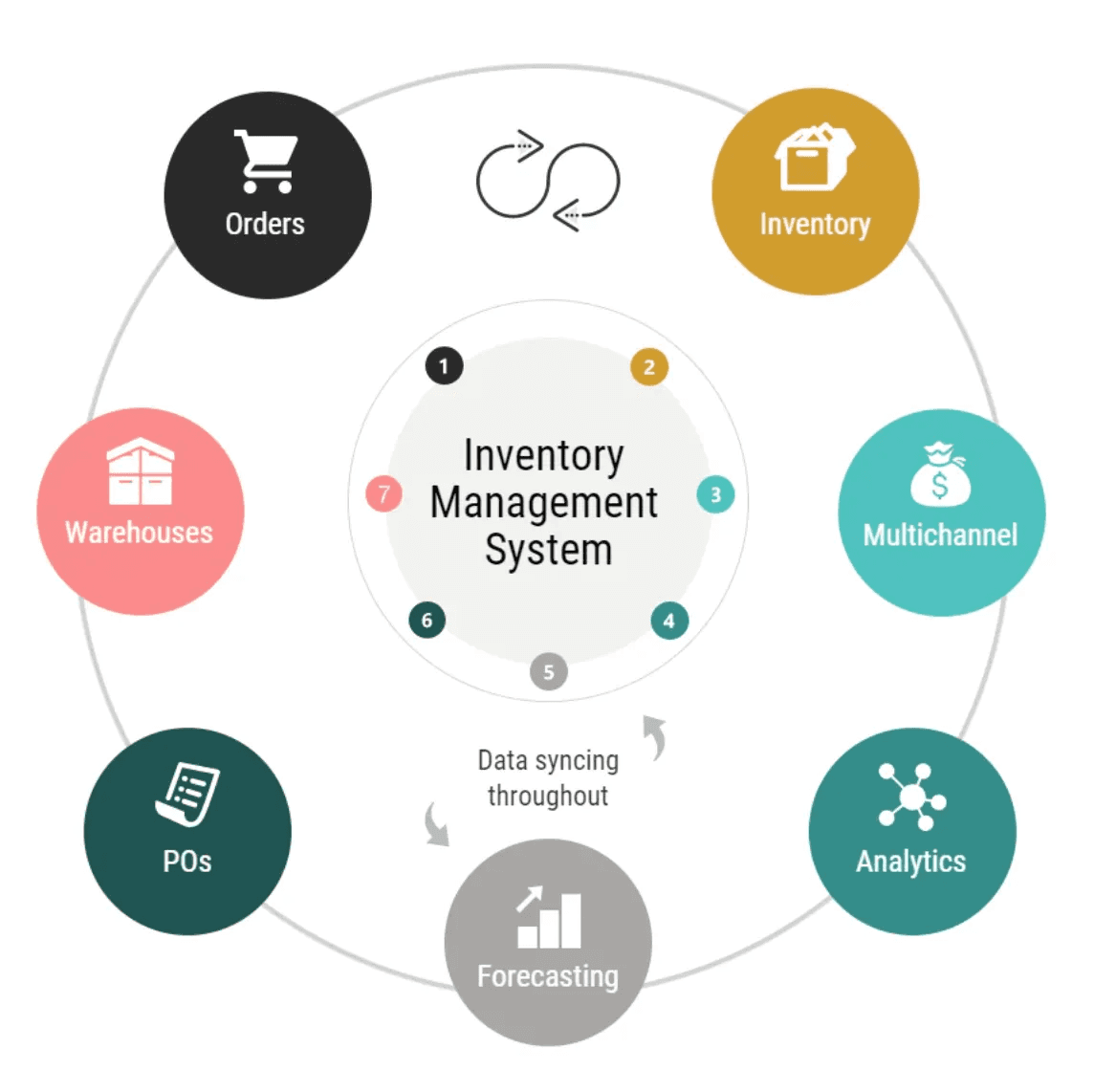
Core Components of Effective Inventory Management
The Business Impact of Poor Inventory Management
Essential Inventory Management Techniques for eCommerce Optimization
Technology Solutions for Inventory Optimization
Key Metrics to Track for Inventory Performance
Common Inventory Management Challenges and Solutions
Frequently Asked Questions About Inventory Management in eCommerce
Conclusion and Next Steps
What Is Inventory Management in eCommerce Optimization
If you have ever lost a sale because an item showed in stock but was not actually available, you understand the cost of poor inventory management. Many ecommerce brands struggle with the same challenge: how do you know exactly what you have, where it is, and when to reorder?
Inventory management in ecommerce optimization is the systematic process of tracking, controlling, and optimizing stock levels across all sales channels and storage locations. It encompasses everything from purchase orders and receiving to storage, sales forecasting, and replenishment—all designed to maximize profitability while minimizing waste.
Effective inventory management ensures you have the right products in the right quantities at the right time. Too little inventory means lost sales and disappointed customers. Too much inventory ties up cash and increases storage costs.
Here is how inventory management complexity scales:
Single Channel, Single Location: Managing stock for one store in one warehouse. Relatively simple with spreadsheets or basic software
Multi Channel, Single Location: Tracking inventory across multiple sales platforms from one fulfillment center. Requires synchronization to prevent overselling
Multi Channel, Multi Location: Coordinating stock across platforms and warehouses. Demands sophisticated systems and real time visibility
Distributed Network with 3PL Partners: Managing inventory across owned facilities and third party logistics providers. Requires enterprise level integration and forecasting
The goal of inventory management is balance. By maintaining optimal stock levels, brands reduce costs, improve cash flow, and deliver consistently positive customer experiences.
Core Components of Effective Inventory Management
Strong inventory management systems address multiple interconnected functions that work together to keep operations running smoothly.
Inventory Tracking and Visibility
Inventory tracking begins the moment products arrive at your warehouse. Each item is received, counted, verified against purchase orders, and assigned a location in your system.
Modern inventory systems use barcode scanning, RFID technology, or SKU based tracking to maintain real time visibility. This prevents discrepancies between what your system says you have and what physically exists in the warehouse.
Multi location visibility is critical for brands using multiple warehouses or 3PL partners. Centralized dashboards show stock levels across all locations simultaneously.
Demand Forecasting and Planning
Demand forecasting uses historical sales data, seasonal trends, market conditions, and promotional calendars to predict future inventory needs.
Common forecasting methods include:
Trend analysis: Identifying patterns in historical sales data
Seasonal forecasting: Adjusting for predictable seasonal fluctuations
Promotional planning: Accounting for marketing campaigns and sales events
Lead time analysis: Factoring in supplier delivery schedules
Accurate forecasting prevents both stockouts during high demand periods and excess inventory during slow seasons.
Reorder Point Management
The reorder point is the inventory level that triggers a new purchase order. It is calculated by considering average daily sales, lead time from suppliers, and desired safety stock buffers.
Automated reorder point systems generate purchase orders when stock falls below thresholds, ensuring continuous availability without manual monitoring.
Stock Organization and Warehouse Layout
Physical organization impacts fulfillment speed and accuracy.
Popular inventory organization strategies include:
ABC analysis: Prioritizing high value or fast moving items for easy access
FIFO (First In, First Out): Ensuring oldest inventory ships first to prevent expiration
LIFO (Last In, First Out): Used in specific industries where newer inventory should ship first
Zone picking: Organizing warehouse sections by product category or order frequency
Proper organization reduces pick times, minimizes errors, and improves overall warehouse efficiency.
The Business Impact of Poor Inventory Management
The consequences of inadequate inventory management extend far beyond the warehouse and directly affect profitability and growth.
Lost Revenue from Stockouts
Every stockout is a lost sale. When customers cannot buy what they want, they shop elsewhere. Research shows that 43 percent of consumers will purchase from a competitor after experiencing a stockout.
Beyond immediate lost revenue, stockouts damage customer loyalty and lifetime value.
Excessive Carrying Costs
Overstocking creates multiple financial burdens:
Storage fees increase as inventory sits longer in warehouses
Capital is tied up in unsold products instead of being reinvested in growth
Inventory depreciation occurs as products age, become obsolete, or expire
Insurance and handling costs rise with larger inventory volumes
For many ecommerce brands, carrying costs can reach 20 to 30 percent of total inventory value annually.
Cash Flow Constraints
Inventory is a major cash consumer. Purchasing too much inventory too soon strains cash flow and limits your ability to invest in marketing, hiring, or product development.
Healthy cash flow requires balancing inventory investment with sales velocity.
Damaged Brand Reputation
Inconsistent availability, delayed shipments from stock transfers, and cancelled orders all erode customer trust. In competitive markets, poor inventory management creates a reputation problem that is difficult to overcome.
Essential Inventory Management Techniques for eCommerce Optimization
Implementing proven inventory management techniques creates structure and predictability in your operations.
Just In Time (JIT) Inventory
Just in time inventory minimizes storage by ordering products only as needed for immediate fulfillment. This approach reduces carrying costs and frees up working capital.
JIT works best for brands with reliable suppliers, predictable demand, and tolerance for tighter inventory buffers.
Economic Order Quantity (EOQ)
EOQ is a formula that calculates the optimal order size to minimize total inventory costs, balancing ordering costs against holding costs.
The formula considers annual demand, cost per order, and annual holding cost per unit to determine the most cost effective order quantity.
Safety Stock Buffers
Safety stock is extra inventory maintained as a buffer against demand spikes, supplier delays, or forecasting errors. The right safety stock level depends on demand variability and lead time reliability.
Higher variability requires larger safety stock buffers to maintain service levels.
ABC Inventory Classification
ABC analysis categorizes inventory into three tiers:
A items: High value products representing 70 to 80 percent of revenue but only 10 to 20 percent of SKUs
B items: Moderate value products with balanced contribution
C items: Low value products representing 20 to 30 percent of revenue but 60 to 70 percent of SKUs
This classification helps prioritize management attention and inventory investment on the products that matter most.
Cycle Counting
Cycle counting involves regularly counting portions of inventory rather than conducting full annual inventories. This ongoing verification process identifies discrepancies early and maintains accuracy without major operational disruptions.
High value A items are counted more frequently than lower value C items.
Technology Solutions for Inventory Optimization
Manual inventory management becomes impossible as businesses scale. Technology provides the automation, accuracy, and insights needed for optimization.
Inventory Management Software (IMS)
Dedicated inventory management systems centralize stock tracking, automate reordering, and provide real time visibility across channels and locations.
Key features include:
Multi channel inventory synchronization
Automated low stock alerts and reorder triggers
Purchase order management and supplier tracking
Reporting and analytics dashboards
Barcode and SKU management
Integration with ecommerce platforms and marketplaces
Warehouse Management Systems (WMS)
For brands managing their own warehouses, WMS software optimizes receiving, putaway, picking, packing, and shipping processes. Advanced WMS platforms use algorithms to optimize pick paths and storage locations.
Enterprise Resource Planning (ERP) Integration
ERP systems integrate inventory management with accounting, purchasing, sales, and customer data to provide complete business visibility. This integration eliminates data silos and improves decision making.
Demand Planning and Forecasting Tools
Specialized forecasting software analyzes historical data, identifies trends, and generates demand predictions using machine learning algorithms. These tools significantly improve forecast accuracy compared to manual methods.
Automation and AI
Artificial intelligence enhances inventory management through:
Automated reorder recommendations based on sales velocity and trends
Dynamic safety stock calculations that adjust to changing conditions
Anomaly detection to flag unusual demand patterns or inventory discrepancies
Predictive analytics for seasonal planning and promotional preparation
Automation reduces manual work while improving accuracy and responsiveness.
Key Metrics to Track for Inventory Performance
You cannot optimize what you do not measure. These metrics provide visibility into inventory health and operational efficiency.
Inventory Turnover Ratio
Inventory turnover measures how many times inventory is sold and replaced over a period. It is calculated by dividing cost of goods sold by average inventory value.
Higher turnover indicates efficient inventory management and strong sales. Lower turnover suggests overstocking or weak demand.
Typical targets vary by industry, but most ecommerce brands aim for turnover ratios between 4 and 12 annually.
Days Sales of Inventory (DSI)
DSI indicates how many days it takes to sell through current inventory. It is calculated by dividing average inventory by cost of goods sold per day.
Lower DSI means faster inventory movement and better cash flow.
Stockout Rate
Stockout rate measures the percentage of time products are unavailable when customers want to buy. High stockout rates indicate insufficient inventory or poor forecasting.
Target stockout rates for most ecommerce brands should be below 2 to 3 percent.
Carrying Cost of Inventory
Carrying costs include storage fees, insurance, depreciation, and opportunity cost of capital tied up in inventory. Tracking this metric as a percentage of inventory value helps identify optimization opportunities.
Order Accuracy Rate
Order accuracy measures the percentage of orders fulfilled correctly without errors. Inventory management directly impacts accuracy through proper stock tracking and warehouse organization.
Target accuracy should be 98 percent or higher.
Gross Margin Return on Investment (GMROI)
GMROI measures profitability relative to inventory investment. It is calculated by dividing gross margin by average inventory cost.
Higher GMROI indicates better inventory productivity and profitability.
Common Inventory Management Challenges and Solutions
Even with strong systems, ecommerce brands face recurring inventory challenges.
Challenge: Inaccurate Inventory Data
Solution: Implement cycle counting, use barcode scanning for all transactions, and integrate systems to eliminate manual data entry. Regular audits identify and correct discrepancies.
Challenge: Demand Volatility
Solution: Use multiple forecasting methods, maintain appropriate safety stock, and develop relationships with flexible suppliers who can accommodate short lead times.
Challenge: Multi Channel Inventory Synchronization
Solution: Use inventory management software with real time multi channel sync capabilities. Centralize inventory data to prevent overselling across platforms.
Challenge: Seasonal Demand Fluctuations
Solution: Analyze historical seasonal patterns, plan inventory builds well in advance of peak seasons, and use flexible storage solutions that scale with demand.
Challenge: Slow Moving or Dead Stock
Solution: Implement ABC analysis to identify slow movers early, use promotional strategies to clear excess inventory, and improve forecasting to prevent future overstock situations.
Challenge: Supplier Reliability Issues
Solution: Diversify supplier base, maintain safety stock for critical items, and establish backup suppliers for key products. Track supplier performance metrics to identify problems early.
Frequently Asked Questions About Inventory Management in eCommerce
What is the biggest mistake ecommerce businesses make with inventory management?
Relying on manual tracking or spreadsheets after outgrowing them. This leads to inaccurate data, stockouts, and overstocking.
When should I invest in inventory management software?
When you are managing more than 50 SKUs, selling on multiple channels, or spending significant time on manual inventory tasks.
How much safety stock should I maintain?
It depends on demand variability and supplier lead times, but most brands maintain 1 to 4 weeks of safety stock for key products.
What is a good inventory turnover ratio?
It varies by industry, but ecommerce brands typically target 4 to 12 turns per year. Higher turnover is generally better but must be balanced against stockout risk.
Can inventory management help with cash flow?
Yes. Optimizing inventory levels frees up cash tied in excess stock and allows reinvestment in growth activities.
## Conclusion and Next Steps
Effective inventory management is not about perfection. It is about creating systems, processes, and visibility that allow you to make better decisions faster.
The brands that master inventory management gain competitive advantages through lower costs, higher availability, better cash flow, and superior customer experiences.
If inventory challenges are limiting your growth or profitability, implementing the techniques and technologies outlined in this guide may be the highest impact improvement you can make.
Ready to optimize your ecommerce inventory management? Partner with experts who understand the complexities of modern fulfillment. Learn how Shipping Bros can help streamline your operations with advanced inventory tracking, multi-location visibility, and seamless integration with your existing systems.
The right approach to inventory management is not just operational efficiency. It is strategic advantage.
Related Articles:
What Is 3PL in eCommerce: Benefits and Overview
Order Fulfillment Best Practices for Online Stores
Warehouse Management Systems: Complete Guide